German Pancakes (Dutch Baby Pancake)
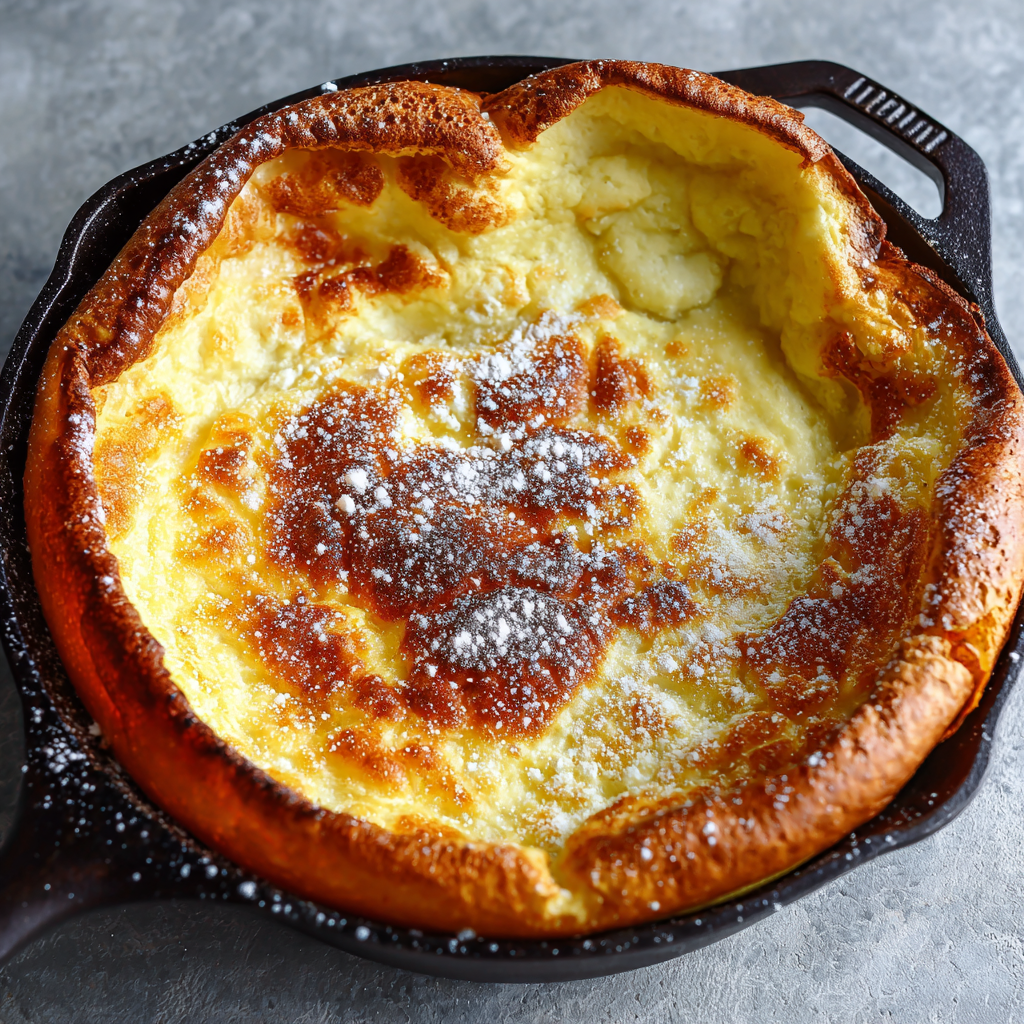
German Pancakes (Dutch Baby Pancake) are one of those magical breakfast recipes that feel far more impressive than the effort they require. With just a handful of pantry staples—eggs, milk, flour, butter, and a touch of vanilla—you can create a dramatic, golden pancake that puffs high in the oven, develops crisp, buttery edges, and settles into a soft, custard-like center.
Unlike traditional stovetop pancakes that require careful flipping and constant attention, German Pancakes (Dutch Baby Pancake) bake entirely in the oven. The result is a show-stopping breakfast or brunch dish that’s perfect for busy mornings, relaxed weekends, or feeding a crowd with minimal hands-on time. In about 30 minutes from start to finish, you can bring a warm, comforting dish to the table that feels both rustic and elegant.
More breakfast ideas you’ll love
This recipe is beloved for its simplicity, versatility, and reliability. Whether you serve it sweet with powdered sugar and fresh fruit or go savory with herbs, cheese, and vegetables, German Pancakes (Dutch Baby Pancake) adapt beautifully to whatever you’re craving. Once you master the basic technique, you’ll find yourself returning to it again and again.
In this comprehensive guide, you’ll learn everything you need to know about making the perfect German Pancakes (Dutch Baby Pancake)—from ingredients and technique to variations, troubleshooting, serving ideas, storage tips, and more.
Why You’ll Love This German Pancakes (Dutch Baby Pancake) Recipe
There are many reasons German Pancakes (Dutch Baby Pancake) have become a staple in so many kitchens, but this recipe stands out for its balance of simplicity and consistently excellent results.
Quick and Effortless Preparation
The batter comes together in minutes using a blender, which means no lumps, no overmixing, and virtually no cleanup. Just blend, pour, and bake.
No Flipping Required
Unlike traditional pancakes, German Pancakes (Dutch Baby Pancake) don’t need to be flipped. The oven does all the work, allowing you to focus on preparing toppings or simply enjoying your morning.
Family-Friendly and Crowd-Pleasing
The mild, custardy flavor appeals to both kids and adults. It’s not overly sweet, making it easy to customize for different tastes at the table.
Perfect for Any Occasion
Serve it for weekday breakfast, weekend brunch, holiday mornings, or even breakfast-for-dinner. German Pancakes (Dutch Baby Pancake) always feel special.
Endless Customization
From lemon and sugar to cheese and herbs, this recipe is a blank canvas. You can dress it up or keep it classic depending on the occasion.
What Are German Pancakes (Dutch Baby Pancake)?
Despite the name, German Pancakes (Dutch Baby Pancake) are not actually German in origin. The term “Dutch” is believed to be a corruption of the word “Deutsch,” meaning German, but the dish itself was popularized in the United States.
A German Pancakes (Dutch Baby Pancake) is essentially a large, oven-baked pancake made from a thin, egg-heavy batter similar to popovers or Yorkshire pudding. When poured into a hot, buttered pan and baked at high heat, the batter dramatically puffs up around the edges while the center remains tender and custardy.
The dramatic rise is one of the most exciting aspects of German Pancakes (Dutch Baby Pancake). Watching it climb up the sides of the pan in the oven is part of the fun, especially for kids.
Ingredients for German Pancakes (Dutch Baby Pancake)
One of the greatest strengths of German Pancakes (Dutch Baby Pancake) is the short, simple ingredient list. Each component plays a key role in the final texture and flavor.
Eggs
Eggs provide structure, lift, and richness. Using large eggs ensures the correct ratio of liquid to flour.
Milk
Milk adds moisture and helps create the smooth, pourable batter needed for proper puffing.
All-Purpose Flour
Flour gives the pancake enough structure to rise while keeping the interior soft and tender.
Salt
A small dash of salt balances the richness of the eggs and butter and enhances overall flavor.
Vanilla Extract
Vanilla adds warmth and subtle sweetness, making this version ideal for sweet toppings.
Butter
Butter is essential for flavor, crisp edges, and preventing sticking. Heating the butter in the pan before adding the batter is critical.
Equipment You’ll Need
You don’t need anything fancy to make German Pancakes (Dutch Baby Pancake), but the right tools do make a difference.
-
9×13-inch metal baking dish – Metal conducts heat better than glass, helping the pancake puff properly.
-
Blender – Ensures a perfectly smooth batter with minimal effort.
-
Spatula or turner – Useful for serving.
How to Make German Pancakes (Dutch Baby Pancake)
This method is simple, but attention to detail ensures the best rise and texture.
Step 1: Preheat the Oven
Set your oven to 425°F (220°C). High heat is essential for achieving the dramatic puff.
Step 2: Heat the Butter
Place the butter in your metal baking dish and put it in the oven as it preheats. Allow the butter to melt completely but do not let it burn.
Step 3: Blend the Batter
Add eggs, milk, flour, salt, and vanilla to a blender. Blend until completely smooth, scraping down the sides if necessary.
Step 4: Combine Batter and Butter
Carefully remove the hot pan from the oven and immediately pour the batter over the melted butter. The batter should sizzle slightly.
Step 5: Bake
Return the pan to the oven and bake for 22–27 minutes, until the pancake is puffed, golden, and crisp around the edges.
Step 6: Serve Immediately
German Pancakes (Dutch Baby Pancake) are best enjoyed straight from the oven, while fully puffed and warm.
Tips for Perfect German Pancakes (Dutch Baby Pancake)
Use a Metal Pan
Metal pans heat faster and more evenly, encouraging maximum rise.
Bring Ingredients to Room Temperature
Room-temperature eggs and milk blend more smoothly and help the batter rise evenly.
Don’t Open the Oven Door
Opening the oven releases heat and can cause the pancake to deflate prematurely.
Serve Right Away
German Pancakes (Dutch Baby Pancake) naturally collapse as they cool. This is normal and doesn’t affect flavor, but they look most impressive straight from the oven.
Sweet Topping Ideas
German Pancakes (Dutch Baby Pancake) shine with sweet toppings. Here are some favorites:
-
Powdered sugar and lemon juice
-
Maple syrup or honey
-
Fresh berries or sliced bananas
-
Whipped cream or yogurt
-
Cinnamon sugar
-
Fruit compote or jam
Savory German Pancakes (Dutch Baby Pancake) Variations
This recipe easily transforms into a savory dish by omitting the vanilla and adding savory toppings.
-
Shredded cheese (Gruyère, cheddar, or Parmesan)
-
Fresh herbs like chives or thyme
-
Sautéed mushrooms or spinach
-
Crispy bacon or sausage
-
Smoked salmon and crème fraîche
Gluten-Free German Pancakes (Dutch Baby Pancake)
You can make this recipe gluten-free by swapping the all-purpose flour for a 1:1 gluten-free baking blend. Choose a blend designed for baking, and ensure it contains xanthan gum or a similar binder for best results.
The texture may be slightly different, but the pancake will still puff beautifully and taste delicious.
Common Problems and Troubleshooting
Pancake Didn’t Puff
-
Oven not hot enough
-
Pan not preheated
-
Ingredients too cold
Pancake Stuck to the Pan
-
Not enough butter
-
Pan not hot before adding batter
Dense or Gummy Texture
-
Overbaking
-
Incorrect flour measurement
German Pancakes (Dutch Baby Pancake)
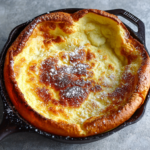
These German Pancakes are light, puffy, and golden with crisp edges and a soft, custardy center. Made with just six simple ingredients and ready in about 30 minutes, this oven-baked pancake is perfect for busy mornings, weekend brunch, or feeding the whole family with minimal effort.
Ingredients
-
6 large eggs
-
1 cup milk (240 ml)
-
1 cup all-purpose flour (120 g)
-
Dash of salt
-
1 teaspoon vanilla extract (5 ml)
-
5 tablespoons butter (70 g)
Equipment
-
9×13-inch metal baking dish
-
Blender
-
Spatula or cut-and-serve turner
Instructions
-
Preheat the oven to 425°F (220°C).
-
Place the butter in an ungreased 9×13-inch metal baking dish and set it in the oven while it preheats, just until the butter is melted.
-
Add the eggs, milk, flour, salt, and vanilla to a blender. Blend until completely smooth.
-
Carefully remove the hot baking dish from the oven and pour the batter over the melted butter.
-
Bake for 22–27 minutes, or until the pancake is puffed and the edges are deep golden brown.
-
Serve immediately with powdered sugar, maple syrup, fresh fruit, or lemon juice.
Notes
-
Use a metal pan: It heats faster than glass and helps the pancake puff properly.
-
Room-temperature eggs and milk help the batter blend smoothly and rise better.
-
Don’t open the oven while baking—this can cause the pancake to deflate.
-
Serve right away: German pancakes naturally collapse as they cool, but they’re still delicious.
Nutrition Information (Per Serving)
-
Calories: 300 kcal
-
Carbohydrates: 21 g
-
Protein: 10 g
-
Fat: 18 g
-
Saturated Fat: 9 g
-
Cholesterol: 231 mg
-
Sodium: 197 mg
-
Potassium: 164 mg
Storage and Reheating
German Pancakes (Dutch Baby Pancake) are best eaten fresh, but leftovers can be stored.
Storage
Refrigerate leftovers in an airtight container for up to 2 days.
Reheating
Reheat in a 350°F (175°C) oven for 5–8 minutes or in a skillet over low heat. Avoid microwaving, which can make the pancake rubbery.
Serving Suggestions
Serve German Pancakes (Dutch Baby Pancake) with:
-
Scrambled eggs or omelets
-
Fresh fruit salad
-
Yogurt and granola
-
Crispy bacon or breakfast sausage
This balance of textures and flavors creates a complete, satisfying meal.
Final Thoughts on German Pancakes (Dutch Baby Pancake)
German Pancakes (Dutch Baby Pancake) are a perfect example of how simple ingredients, when used thoughtfully, can create something truly special. This dish requires minimal effort yet delivers maximum impact, making it ideal for both everyday breakfasts and special occasions.
What makes German Pancakes (Dutch Baby Pancake) so appealing is their versatility. They can be sweet or savory, elegant or rustic, indulgent or light. With just one base recipe, you can create countless variations to suit any mood or season.
They’re also a reminder that breakfast doesn’t have to be complicated to be memorable. The dramatic rise, crisp edges, and tender center make this dish feel celebratory, even on an ordinary morning. And because the oven does most of the work, you’re free to enjoy the process rather than stress over it.