Chicken Pastina Soup: The Ultimate Guide to This Classic Comfort Food
Rediscovering the Magic of Chicken Pastina Soup
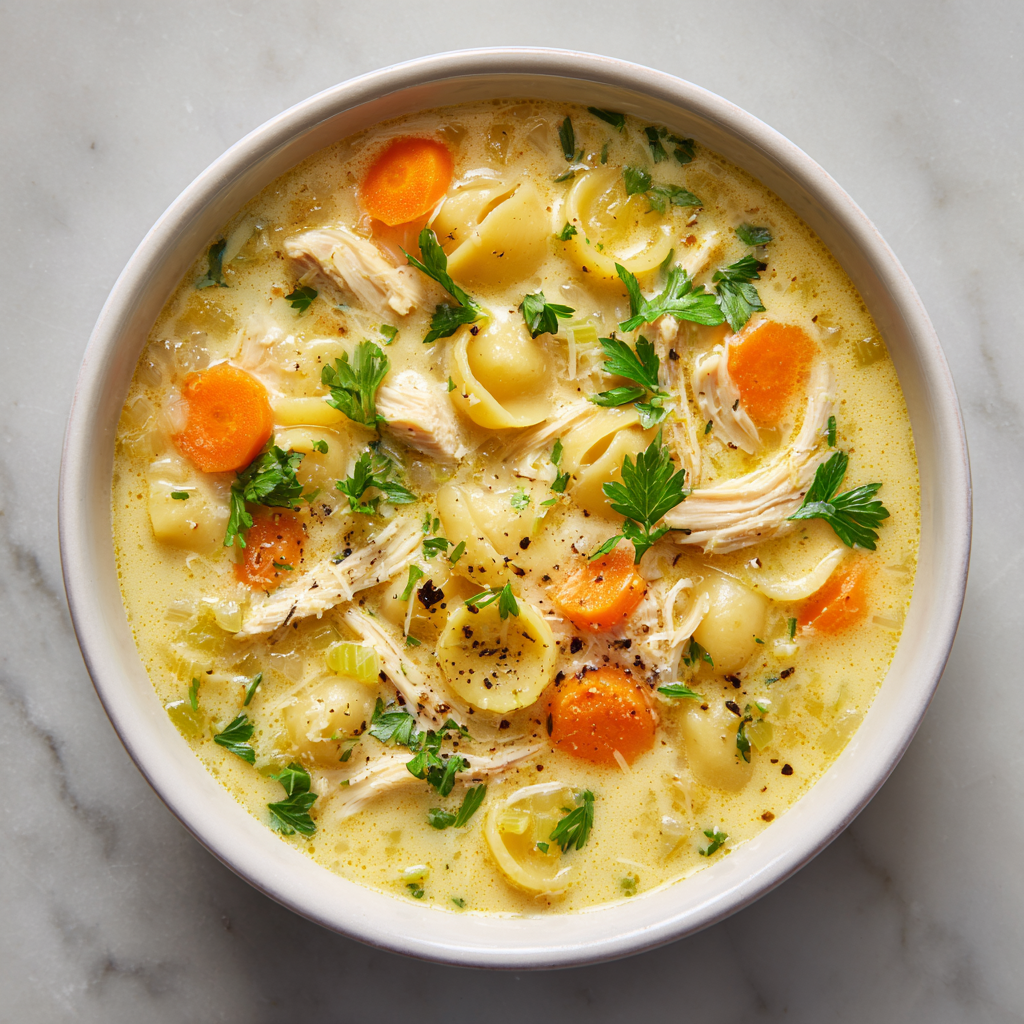
When the world feels cold and hectic, few things bring comfort like a steaming bowl of Chicken Pastina Soup. This humble yet extraordinary dish represents more than just a meal—it’s a culinary hug, a nostalgic journey, and a testament to the power of simple ingredients transformed into something profoundly nourishing. In this comprehensive guide, we’ll explore every facet of this beloved soup, from its rich history and cultural significance to detailed preparation techniques, nutritional benefits, and creative variations. Whether you’re a seasoned home cook or a kitchen novice, you’ll discover why Chicken Pastina Soup deserves a permanent place in your culinary repertoire.
The History and Cultural Significance of Pastina
To fully appreciate Chicken Pastina Soup, we must first understand its roots. Pastina, which translates to “little pasta” in Italian, is one of the smallest pasta shapes available. Traditionally given to infants and convalescents in Italy, pastina’s delicate size and quick cooking time made it the perfect vehicle for simple, digestible meals. When combined with chicken broth—long revered across cultures for its restorative properties—this tiny pasta became the foundation for a soup that crosses generational and geographical boundaries.
More breakfast ideas you’ll love
Chicken Pastina Soup embodies the Italian culinary principle of cucina povera—”poor cooking”—which emphasizes making the most of modest ingredients. Every nonna (grandmother) in Italy has her own version, passed down through whispered kitchen secrets. This soup traveled with immigrants to America, where it evolved while retaining its soul-warming essence. Today, Chicken Pastina Soup represents a universal language of care, often appearing at times of celebration, healing, or simple family gathering.
The Anatomy of Perfect Chicken Pastina Soup: Deconstructing the Ingredients
The Broth: Foundation of Flavor
The soul of any great Chicken Pastina Soup lies in its broth. While our recipe uses quality store-bought broth for convenience, understanding broth elevates your soup from good to extraordinary.
Homemade Broth Option: For deeper flavor, simmer a whole chicken or bone-in parts with onions, carrots, celery, garlic, parsley, and black peppercorns for 3-4 hours. The collagen from bones creates a silky mouthfeel and added nutritional benefits. Skim impurities for clarity, and strain for perfect texture.
Store-Bought Selection: Choose low-sodium organic chicken broth to control seasoning. The quality difference between standard and premium broths is noticeable in the final dish.
The Vegetable Trinity: Carrots, Onions, Celery
The combination of sweet onions, carrots, and celery (known as soffritto in Italian or mirepoix in French) forms the aromatic foundation. When blended partially, these vegetables create natural creaminess without dairy—a clever technique that adds body and nutrients while keeping the soup light.
Carrots: Provide natural sweetness and beta-carotene. Chopped coarsely, they soften perfectly during simmering.
Sweet Onions: Mellower than yellow onions, they caramelize subtly and blend into a smooth puree.
Celery: Offers earthy depth and essential minerals. Don’t skip this—it’s crucial for balanced flavor.
The Aromatics: Garlic, Thyme, Bay
Garlic’s pungent sweetness, thyme’s herbal notes, and bay leaves’ subtle bitterness create layers of flavor. Smashing garlic cloves releases their oils before cooking, maximizing their presence in the broth.
The Secret Weapon: Parmigiano-Reggiano Rind
This might be the most ingenious trick in traditional Italian cooking. The hard rind of Parmigiano-Reggiano, often discarded, is packed with umami-rich flavor compounds. Simmered in the soup, it infuses a savory, nutty depth that transforms the entire pot. This zero-waste technique exemplifies resourceful cooking at its finest.
The Star: Pastina Pasta
Pastina comes in various shapes—stars (stelline), little rings (anellini), or even tiny tubes (ditalini). Their small size means they cook quickly and thicken the soup slightly as they release starch. The key is preventing clumping through occasional stirring and proper timing.
The Protein: Rotisserie Chicken
Using pre-cooked rotisserie chicken is a brilliant time-saver, but its slightly smoky, seasoned flavor also adds complexity. Shredding rather than dicing creates tender strands that integrate beautifully with the pastina.
Step-by-Step Mastery: Crafting the Perfect Chicken Pastina Soup
Phase 1: Building Flavor Foundations
Begin by combining your broth with the chopped vegetables and garlic. The initial boil followed by a gentle simmer serves two purposes: it extracts maximum flavor from the vegetables and ensures they soften adequately for blending. The ten-minute window is crucial—undercooked vegetables won’t blend smoothly, while overcooked ones lose their bright flavor.
Pro Tip: For enhanced depth, consider sautéing the vegetables in a tablespoon of olive oil before adding broth. This caramelization adds another flavor dimension, though it’s optional for the purist version.
Phase 2: The Creaminess Secret
The blending technique is what sets this Chicken Pastina Soup apart. By pureeing a portion of the cooked vegetables with some broth, you create a naturally thickened, creamy base without flour, cornstarch, or dairy. This method preserves the soup’s lightness while providing satisfying body.
Safety First: Always allow hot ingredients to cool slightly before blending, and never fill your blender more than halfway. The steam vent technique—removing the center lid piece and covering with a towel—prevents pressure buildup and potential burns.
Texture Control: For a completely smooth soup, blend all vegetables. For more texture, blend only half. Our recipe strikes the perfect balance between creamy and chunky.
Phase 3: Infusing and Simmering
Adding the thyme, bay leaves, and cheese rind at this stage allows their flavors to meld seamlessly into the soup. The simmering time for the pastina is critical—18-20 minutes might seem long for small pasta, but it allows the pasta to release starch gradually, further thickening the broth to a velvety consistency.
Stirring Ritual: Gently stir every 5-7 minutes to prevent sticking. Pastina’s small size makes it prone to settling at the bottom, where it can scorch if unattended.
Phase 4: Final Touches
Adding the shredded chicken during the last three minutes ensures it heats through without becoming tough or stringy. Overcooked chicken loses its tender texture, so this timing is precise.
The removal of herb stems, bay leaves, and cheese rind before serving is both practical and aesthetic. No one wants to encounter these in their bowl, though their flavor remains infused throughout.
Nutritional Profile: Why Chicken Pastina Soup is Health Food in Disguise
Beyond its comforting qualities, Chicken Pastina Soup offers impressive nutritional benefits:
Protein Power: With approximately 27 grams per serving from chicken and Parmesan, this soup supports muscle repair and immune function.
Complex Carbohydrates: Pastina provides energy-sustaining carbs, while the vegetables offer fiber, especially when not entirely pureed.
Vitamins and Minerals: Carrots deliver vitamin A (as beta-carotene), essential for vision and immune health. Onions provide quercetin, a potent antioxidant, while celery offers vitamin K and potassium.
Hydration and Electrolytes: The broth base helps maintain fluid balance, especially important during illness or recovery.
Low in Unhealthy Fats: At just 13 grams of predominantly healthy fats per serving, this soup fits into balanced eating plans.
Digestive Ease: The simplicity of ingredients and cooking method makes this soup exceptionally gentle on the digestive system, explaining its traditional use during recovery.
The Science of Comfort: Why This Soup Actually Makes You Feel Better
There’s tangible science behind why Chicken Pastina Soup feels so restorative. Chicken broth contains carnosine, an anti-inflammatory compound that may help the immune system fight early-stage flu. The steam from hot soup helps clear nasal passages, while the warmth can soothe sore throats.
Psychologically, the soup triggers what food psychologists call “comfort food conditioning”—the association between certain foods and feelings of safety, care, and nostalgia. The gentle flavors, soft textures, and warmth create a multisensory experience that signals relaxation to the brain.
Culinary Variations: Reinventing Chicken Pastina Soup
While the classic version is perfect as is, Chicken Pastina Soup welcomes creative adaptations:
Lemon-Herb Version: Add zest of one lemon and fresh dill with the chicken for a brighter profile.
Creamy Version: Stir in ½ cup heavy cream or full-fat coconut milk after removing from heat for extra richness.
Spicy Version: Include red pepper flakes with the herbs or drizzle with chili oil before serving.
Vegetable-Packed Version: Add spinach, kale, or peas during the last 5 minutes of cooking.
Global Twists: Add ginger and turmeric for an anti-inflammatory boost, or coconut milk and curry powder for Thai-inspired flavors.
Grain Alternatives: Replace pastina with orzo, acini di pepe, or even rice for different textures.
Serving and Presentation: Elevating Your Soup Experience
Chicken Pastina Soup shines in its simplicity, but thoughtful presentation enhances the experience:
Bowl Selection: Choose wide, shallow bowls that allow the soup to cool slightly while showcasing its texture.
Garnish Artistry: Beyond parsley and Parmesan, consider:
-
A drizzle of high-quality olive oil
-
Freshly cracked black pepper
-
Thinly sliced scallions
-
Crispy fried shallots or garlic chips
-
Fresh thyme leaves
Accompaniments: Serve with crusty artisan bread for dipping, or a simple side salad for contrast.
Family-Style Serving: Present the pot at the table for that communal, welcoming feeling.
Preservation and Storage: Making Chicken Pastina Soup Last
One batch of Chicken Pastina Soup yields six servings, perfect for meals throughout the week:
Refrigeration: Store in airtight containers for up to 4 days. The pasta will continue to absorb liquid, so you may need to add broth when reheating.
Freezing Considerations: While the soup freezes well, pasta can become mushy upon thawing. For best results, freeze without pasta, then cook fresh pastina when ready to serve.
Reheating Tips: Reheat gently over medium-low heat, stirring occasionally. Avoid boiling, which can toughen chicken and break down the pasta.
Chicken Pastina Soup Through the Seasons
While often considered winter food, Chicken Pastina Soup adapts beautifully year-round:
Spring: Add fresh peas and asparagus tips
Summer: Serve slightly cooler with fresh basil and zucchini
Autumn: Incorporate roasted squash and sage
Winter: Double the garlic and add extra root vegetables
Chicken Pastina Soup: The Ultimate Guide to This Classic Comfort Food
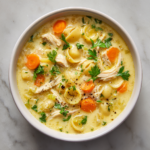
This Chicken Pastina Soup is a cozy, creamy, and flavorful meal that’s perfect for chilly evenings or anytime you need a light, nourishing soup. The smooth carrot-onion base, tender pastina pasta, and shredded rotisserie chicken make it a family-friendly favorite.
Ingredients
-
8 cups low-sodium chicken broth
-
2 cups chopped sweet onion
-
1 1/2 cups peeled and coarsely chopped carrots
-
2 celery ribs, coarsely chopped
-
6 garlic cloves, smashed and peeled
-
3/4 tsp kosher salt
-
4 thyme sprigs
-
2 fresh bay leaves
-
1 (2 oz) Parmigiano-Reggiano cheese rind, plus extra grated cheese for garnish
-
4 oz uncooked pastina pasta
-
2 cups shredded rotisserie chicken
-
Fresh flat-leaf parsley leaves, for garnish
Instructions
Step 1: Cook the Vegetables
-
In a large saucepan or small Dutch oven, bring chicken broth, onion, carrots, celery, garlic, and salt to a boil over high heat.
-
Reduce heat to medium-low and simmer 10 minutes until vegetables are softened.
Step 2: Puree Part of the Vegetables
-
Using a slotted spoon, transfer vegetables and 1 cup of broth to a blender.
-
Secure the lid and remove the center piece to allow steam to escape; place a clean towel over the opening.
-
Blend until smooth, about 30 seconds.
-
Stir the blended mixture back into the soup.
Step 3: Add Herbs, Cheese, and Pasta
-
Add thyme sprigs, bay leaves, and Parmigiano-Reggiano rind to the pot.
-
Bring to a boil over medium-high heat.
-
Add pastina, reduce heat to medium-low, and simmer 18–20 minutes, stirring occasionally.
-
In the last 3 minutes, add shredded chicken.
Step 4: Finish and Serve
-
Remove thyme, bay leaves, and cheese rind before serving.
-
Garnish with parsley and grated Parmigiano-Reggiano. Serve hot.
Notes
-
Vegetable puree: Blending part of the cooked vegetables creates a creamy texture without cream.
-
Pasta: Stir frequently to prevent the pastina from sticking.
-
Cheese: Add the Parmigiano-Reggiano rind while simmering for deep, savory flavor. Remove before serving.
-
Customize: Add extra herbs like parsley or a squeeze of lemon for brightness.
The Ritual of Preparation: Mindfulness in Making Soup
There’s therapeutic value in preparing Chicken Pastina Soup. The rhythmic chopping, the aromatic steam, the gradual transformation—these actions anchor us in the present moment. In our fast-paced world, the deliberate, unhurried process of soup-making becomes a form of meditation, a tangible way to care for ourselves and others.
Final Thoughts: Why Chicken Pastina Soup Endures
In our exploration of Chicken Pastina Soup, we’ve uncovered more than just a recipe—we’ve discovered a culinary tradition that nourishes body and soul. This soup represents the beautiful intersection of nutrition and comfort, simplicity and depth, tradition and adaptability.
What makes Chicken Pastina Soup truly special isn’t just its flavor or ease of preparation, but its remarkable versatility. It’s simultaneously sophisticated enough for discerning palates and simple enough for picky eaters. It serves as both celebration food and sickbed sustenance. It can be prepared in under an hour yet tastes like it simmered all day.
In a world of increasingly complex cuisine and food trends, Chicken Pastina Soup reminds us that some of the most satisfying meals come from humble ingredients prepared with intention. It teaches us that nourishment extends beyond nutrients to include memory, care, and connection.
Whether you’re making it for a sick family member, a casual weeknight dinner, or simply because you need a bowl of something warm and reassuring, Chicken Pastina Soup delivers. Its legacy isn’t preserved in fancy restaurants or expensive ingredients, but in home kitchens where it continues to bring comfort, one steaming bowl at a time.
So the next time you chop those carrots or stir that pot, remember you’re participating in a centuries-old tradition of culinary care. You’re not just making soup—you’re crafting comfort, creating memories, and offering nourishment in its most holistic form. And that is the true magic of Chicken Pastina Soup.